This screen isn’t optimized yet.

This rebuild is still fresh. For now, please only view the desktop version.

Tags
Enterprise Platform · Design Systems · Accessibility-Led Design · Systems Thinking

Design Systems
Developement at Scale.

03

5

Overview.

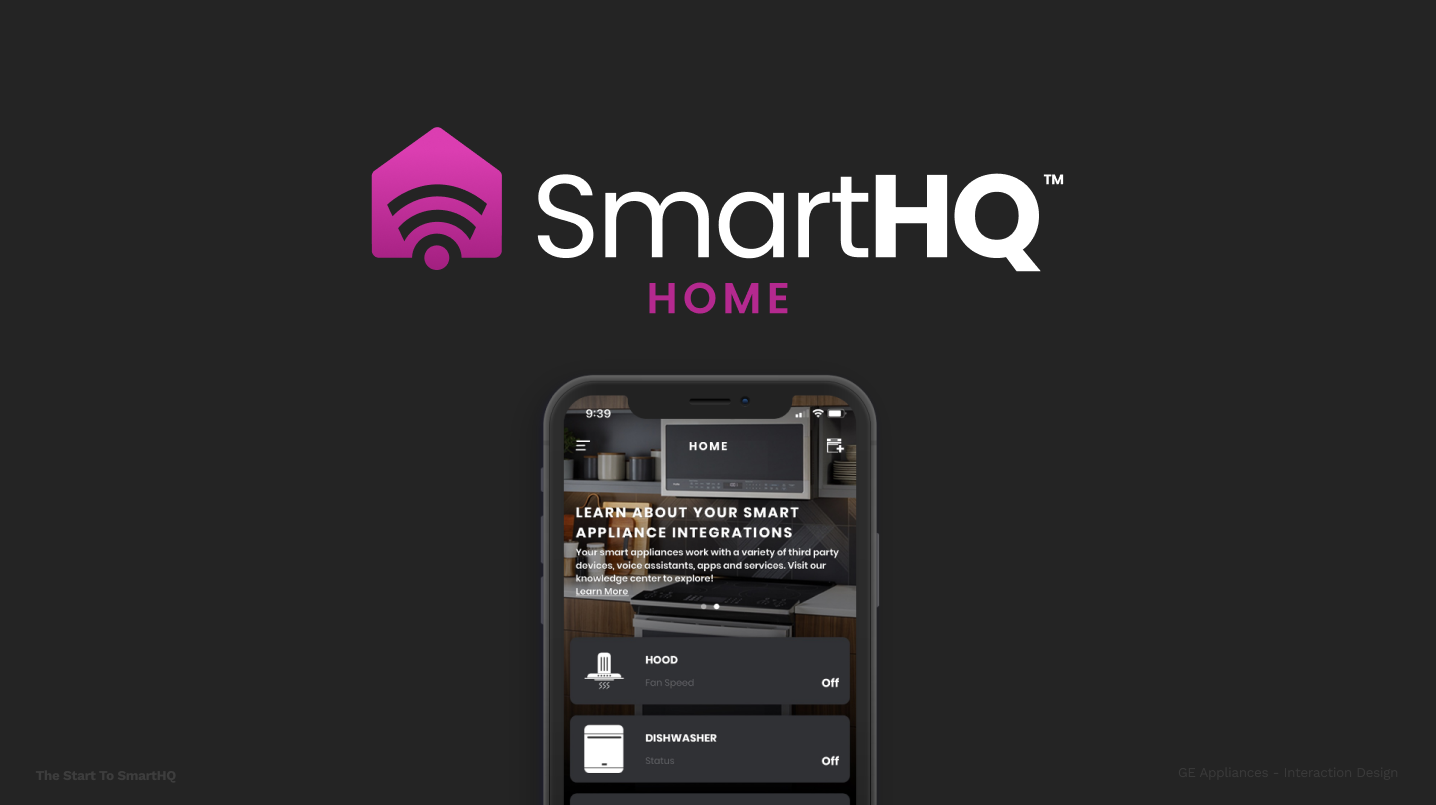
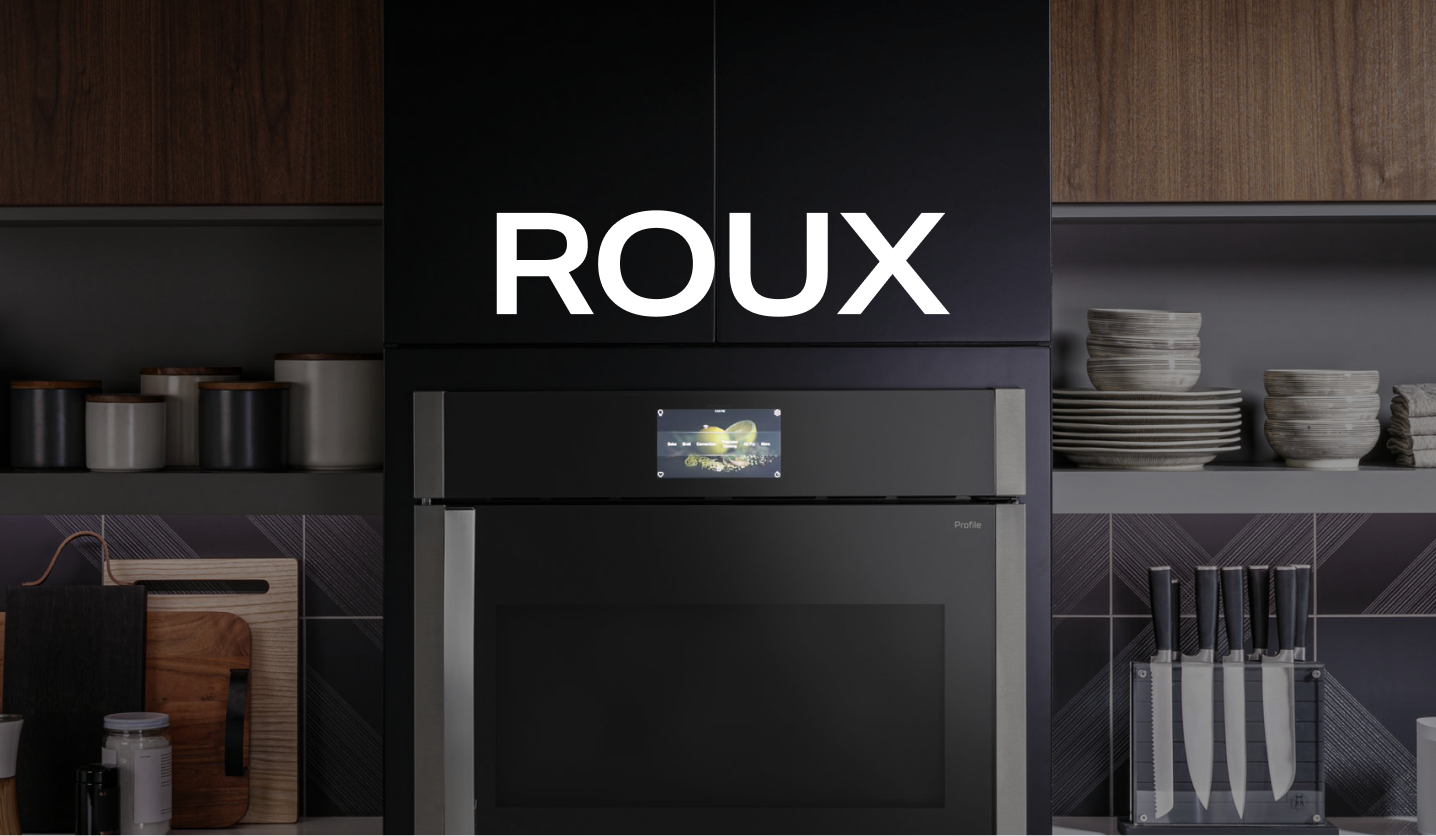
GE Appliances operates across a complex ecosystem of digital surfaces, including the SmartHQ mobile app and ROUX, the Android-based interface used on physical appliance displays. Each platform supports multiple brands with distinct visual identities while sharing core functionality.

As the number of supported products and brands grew, inconsistencies in layout, spacing, accessibility, and component usage began to compound. This work focused on establishing a more rigorous design system to improve cohesion, accessibility, and cross-team alignment across both SmartHQ and ROUX, while enabling teams to scale without increasing UX debt.

Project Context.
Role.
Design Systems & Accessibility Contribution.
Team & Stakeholders.
UX Designers, Design Leadership, Engineering, Product Teams.
Product / Platform Reach.
SmartHQ mobile platform and ROUX on-appliance interfaces across multiple brands.
Design Tools & Libraries.
Figma, internal design system libraries, platform guidelines, iOS Design guidelines, Google Material Design.
Research Methods.
Accessibility audits, system analysis, cross-team design reviews.
Time Frame.
2022-2023 multiple quarters.
Outcomes & Impact.

Scale Metrics

- Audited and organized over 1,000+ existing screens across mobile and embedded platforms.

- Contributed to SmartHQ Design System 2.0 and ROUX spanning multiple brands and device types.

redesign aimed to reduce drop-off risk by 20% by removing unclear terminology and onboarding painpoints. Focusing on bringing

System Impact

- Established grid, spacing, typography, and component standards used across teams.

- Improved accessibility coverage through standardized touch targets, contrast, and layout rules.

- Reduced ambiguity between low-, mid-, and high-fidelity artifacts for engineering handoff.

redesign aimed to reduce drop-off risk by 20% by removing unclear terminology and onboarding painpoints. Focusing on bringing

Organizational Impact

- Improved cross-team alignment between design and engineering.

- Enabled faster low-fidelity prototyping for new product introductions.

redesign aimed to reduce drop-off risk by 20% by removing unclear terminology and onboarding painpoints. Focusing on bringing

Business Relevance

- Strong systems reduce implementation risk, rework costs, and inconsistency at enterprise scale.

- Accessibility-first components improve usability for all users while reducing compliance risk.

redesign aimed to reduce drop-off risk by 20% by removing unclear terminology and onboarding painpoints. Focusing on bringing

Overview Visuals.

SmartHQ (mobile interface).
ROUX (on-appliance interface).
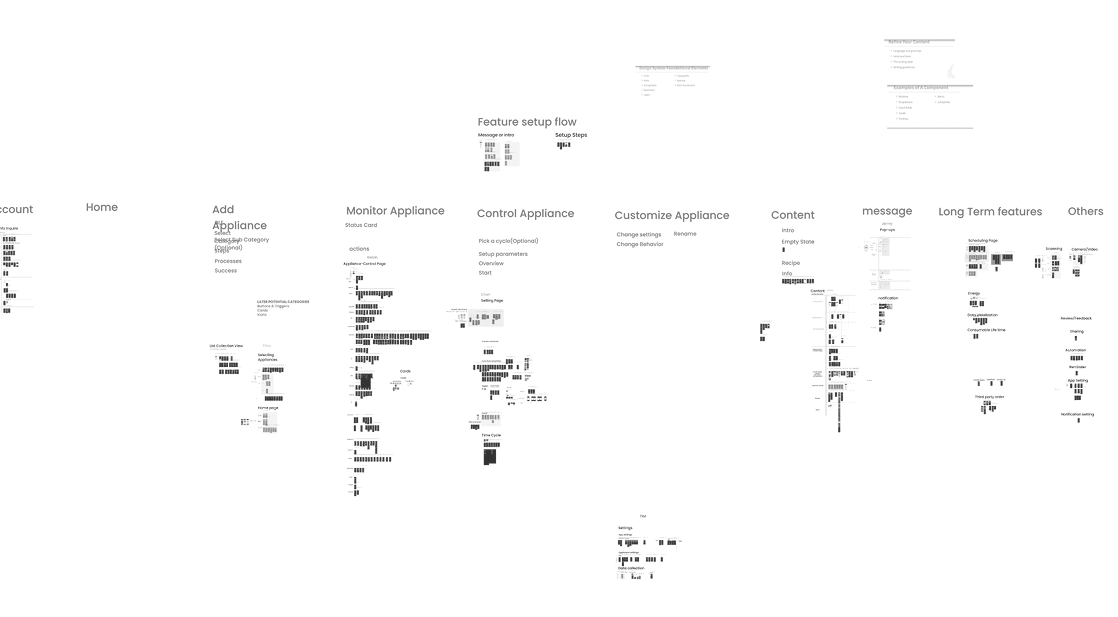
3+ Figma pages 1000+ SmartHQ screens reorganized to build the SmartHQ 2.0 Design System.

Process Journey.

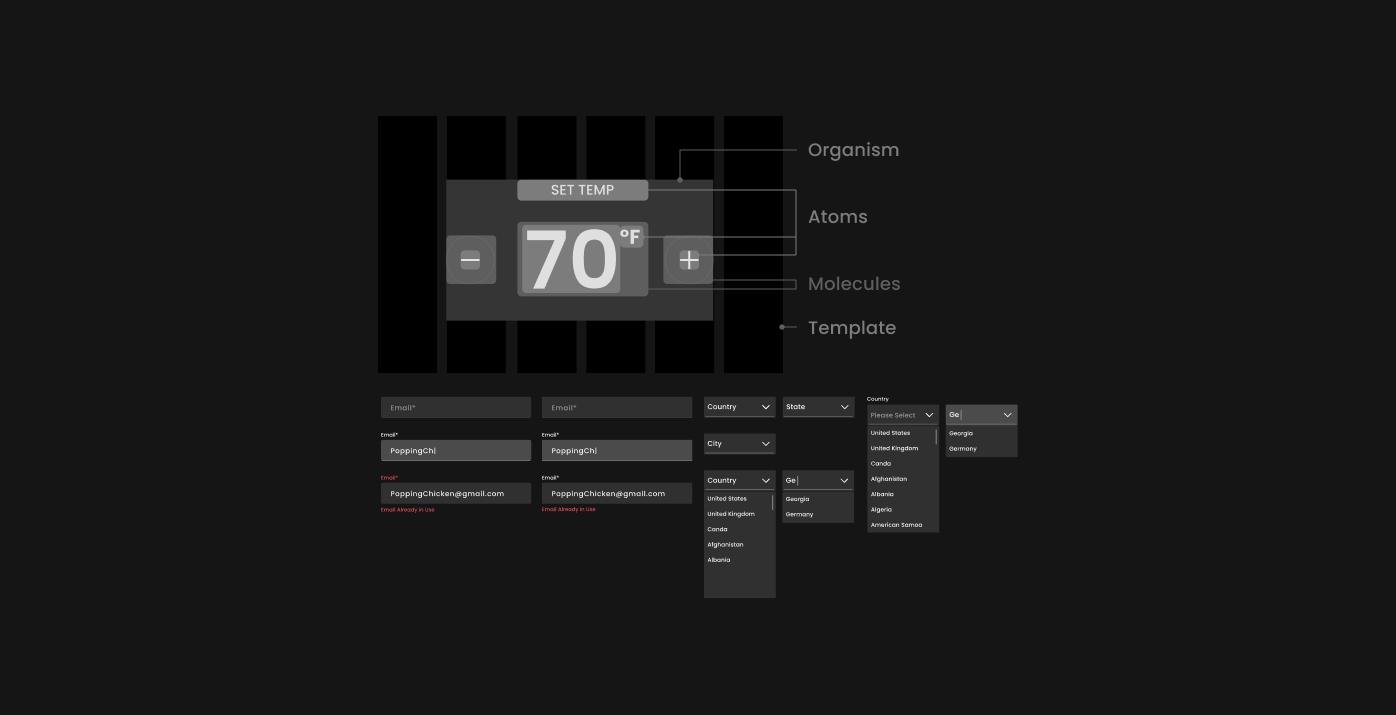
Atomic design & general grid structures implemented in both SmartHQ and ROUX.
Designing for Scale and Consistency.

SmartHQ and ROUX were both evolving platforms supporting many brands and devices. Design decisions were evaluated based on how well they could scale without introducing fragmentation. We impletemented Atomic design rules to build up our responsive interfaces.

Atoms
Molecules
Organisms
Templates
Pages
Establishing Shared Foundations.

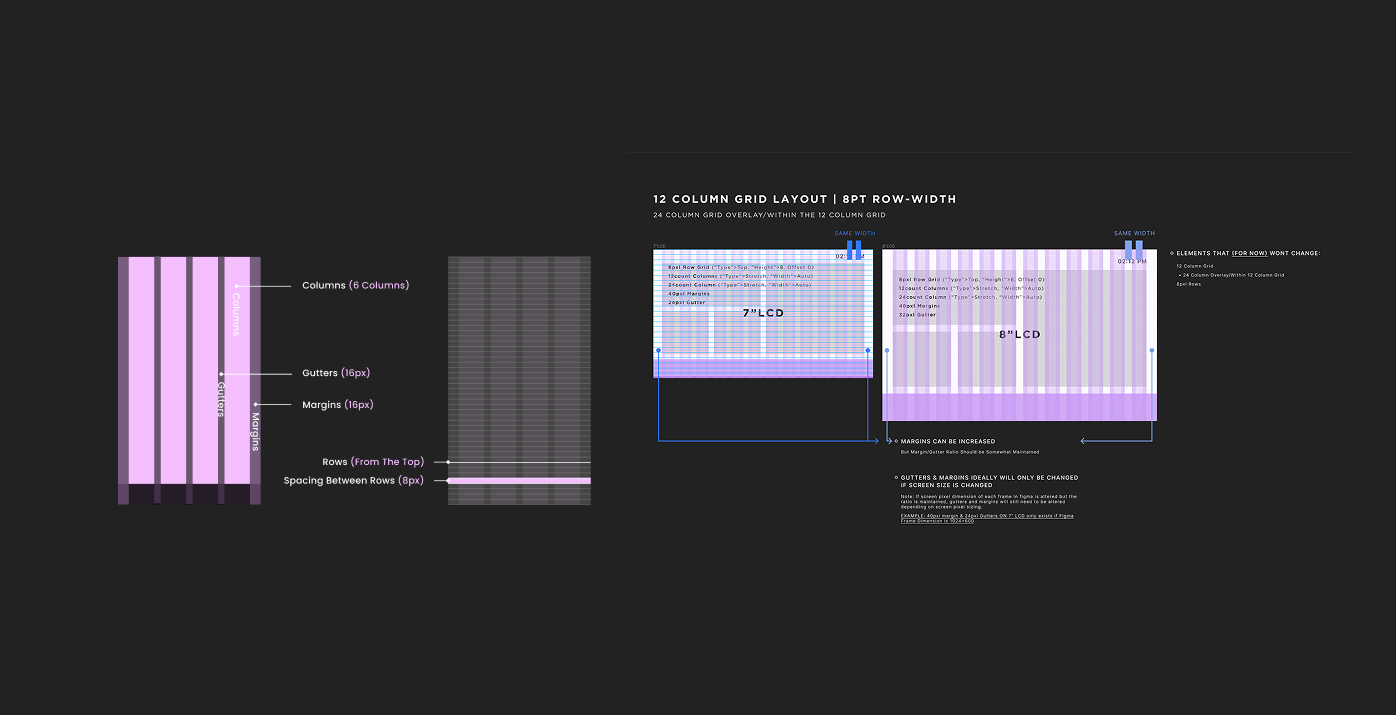
Grids, spacing, typography, and component behaviors were formalized to create a common language across teams. This reduced ambiguity for designers and engineers while enabling more predictable implementation.

SmartHQ & Roux interface grid system documentations.
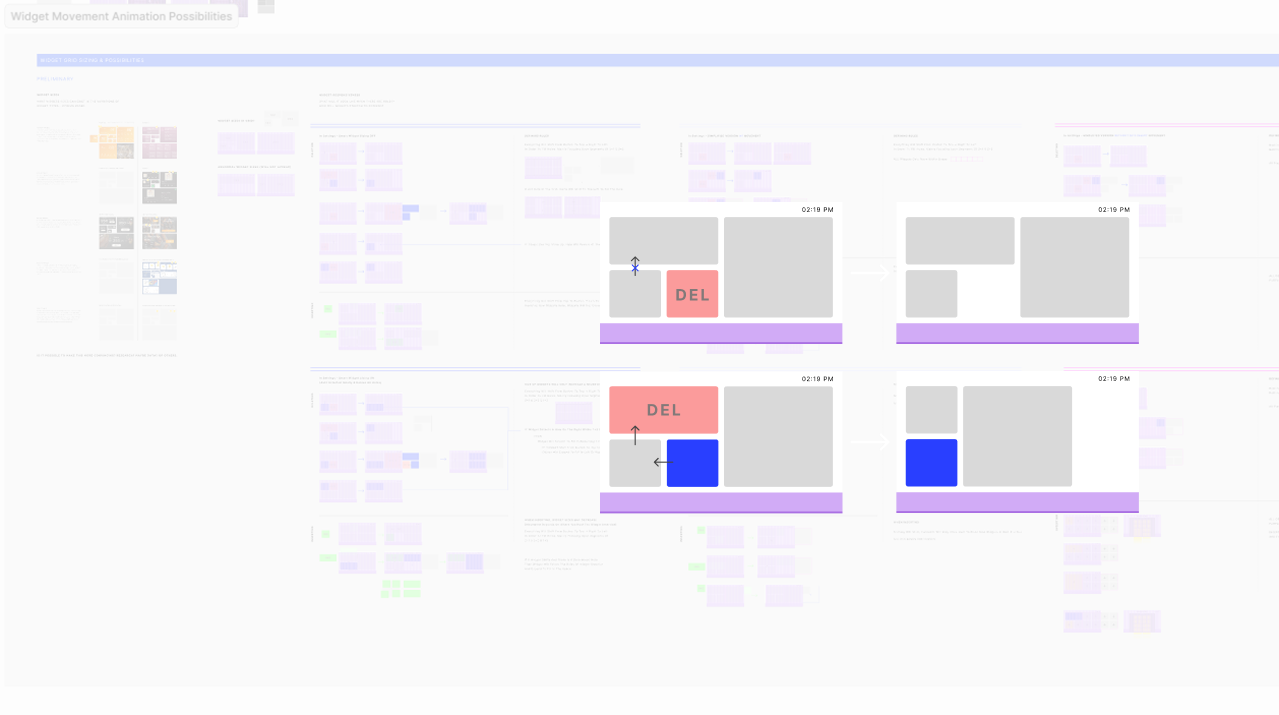
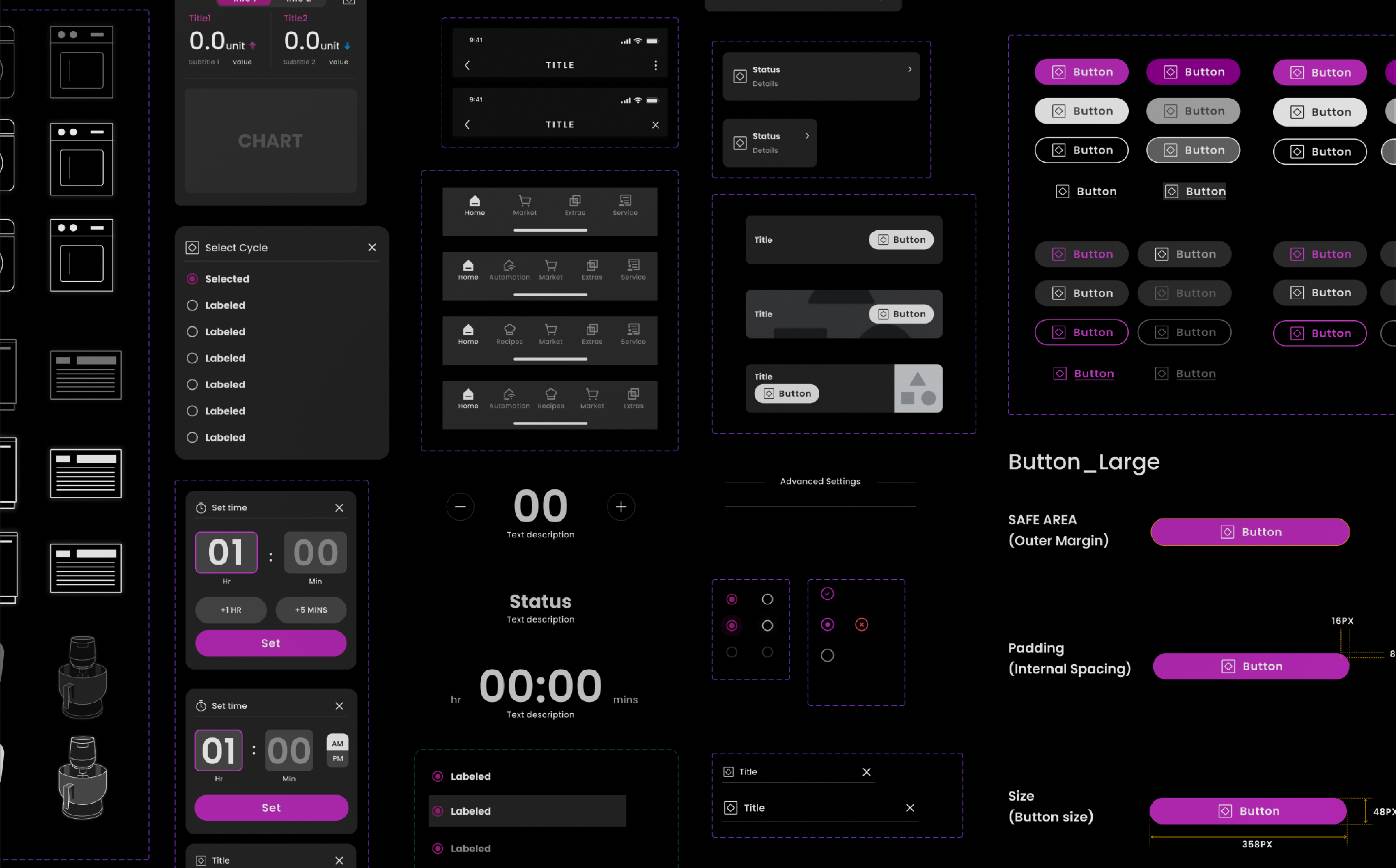
Roux component behavior studies.
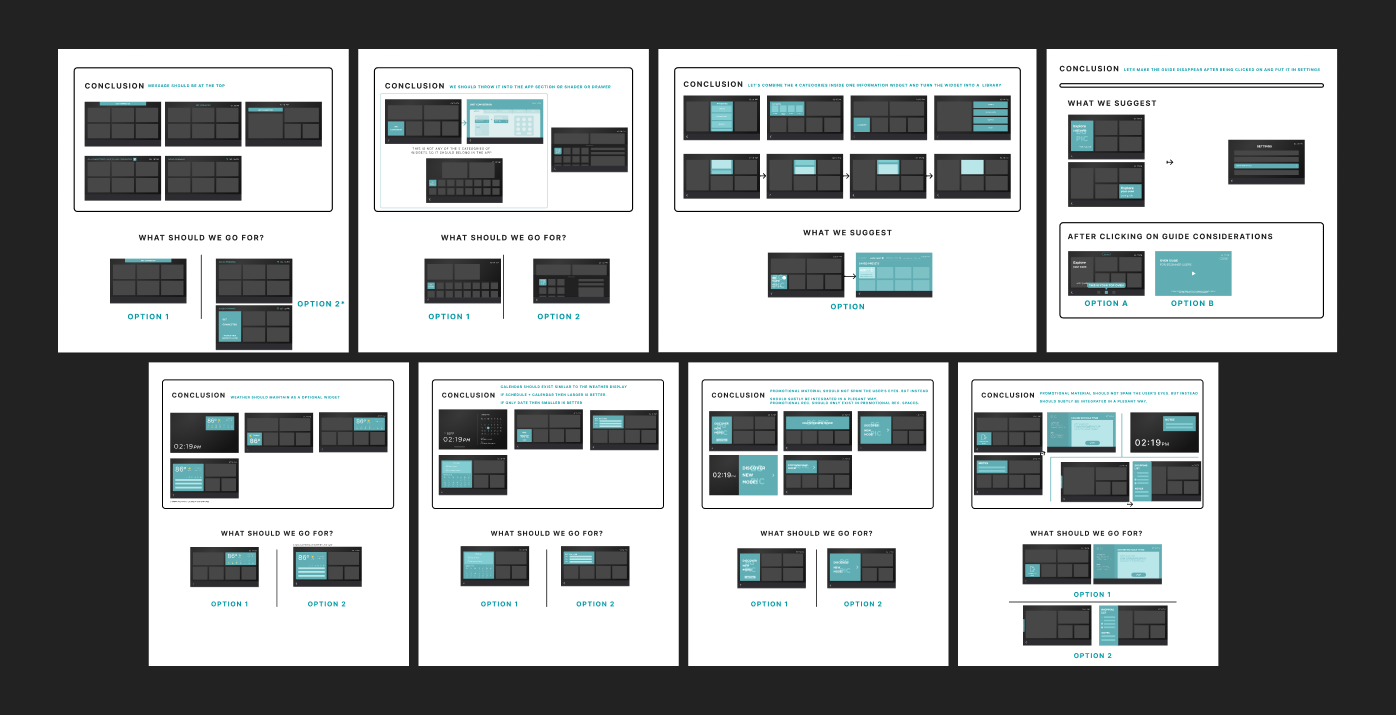
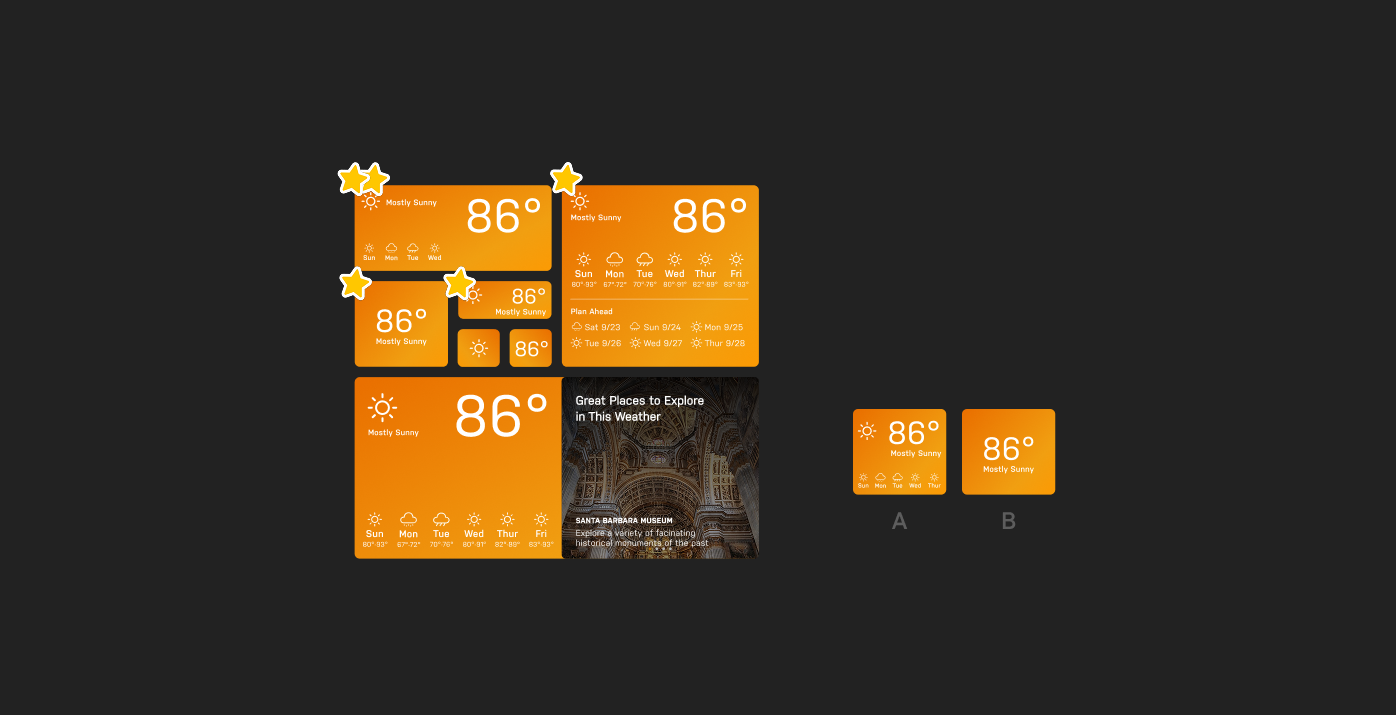
ROUX widget layout explorations and comparative ideation.
Accessibility as a System Property.

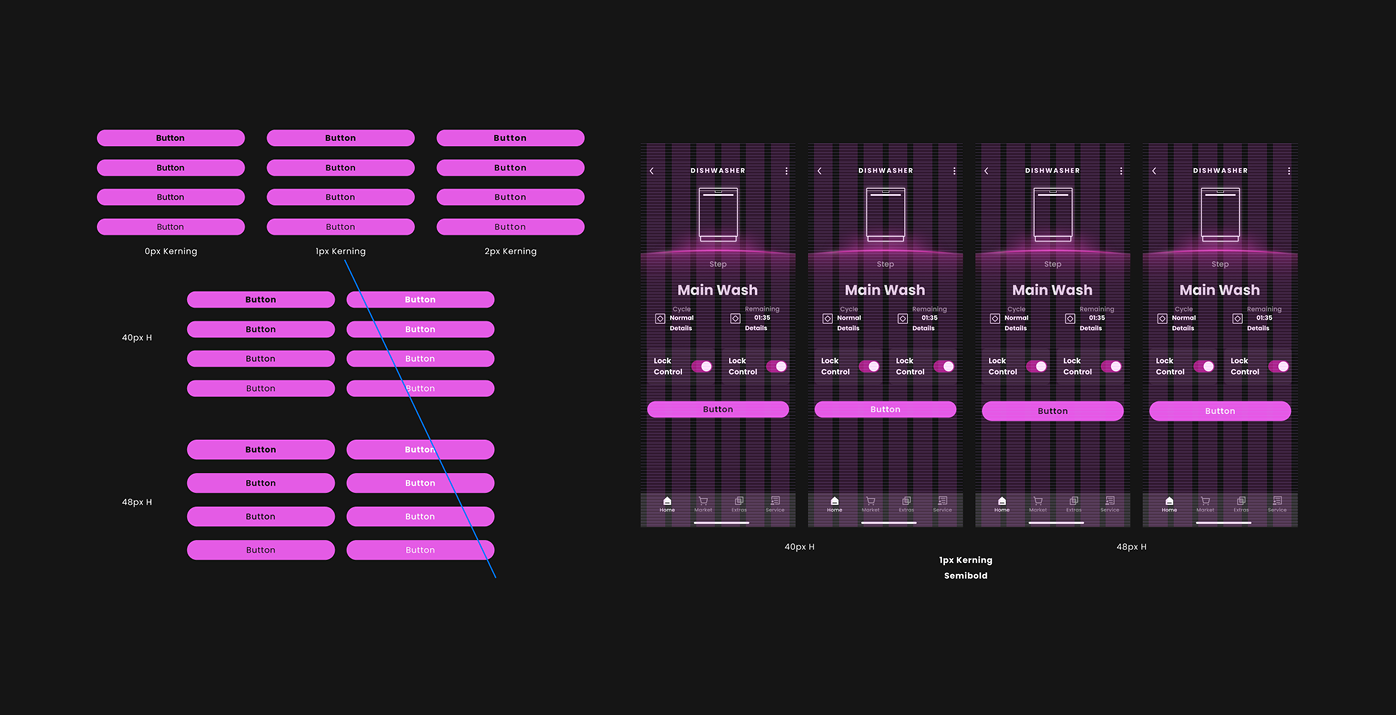
Accessibility considerations were integrated directly into components and layout rules. Truly implementing based on the curb-cut effect, touch targets, spacing, contrast, and hierarchy were refined with the understanding that accessibility improvements benefit all users through clearer, more usable interfaces.

Small sample piece testing WCAG color contrast on buttons, kerning, type, and spacing for SmartHQ.
New Screen Ideation and Design System Integration.

New screens were explored through rapid ideation to test how the design system performed in real product scenarios across both SmartHQ and ROUX. These explorations helped validate component flexibility, hierarchy, and accessibility rules while revealing gaps and edge cases early. By designing within the system from the start, ideation work directly informed system refinements, ensuring new features could be introduced without breaking consistency or accessibility standards.

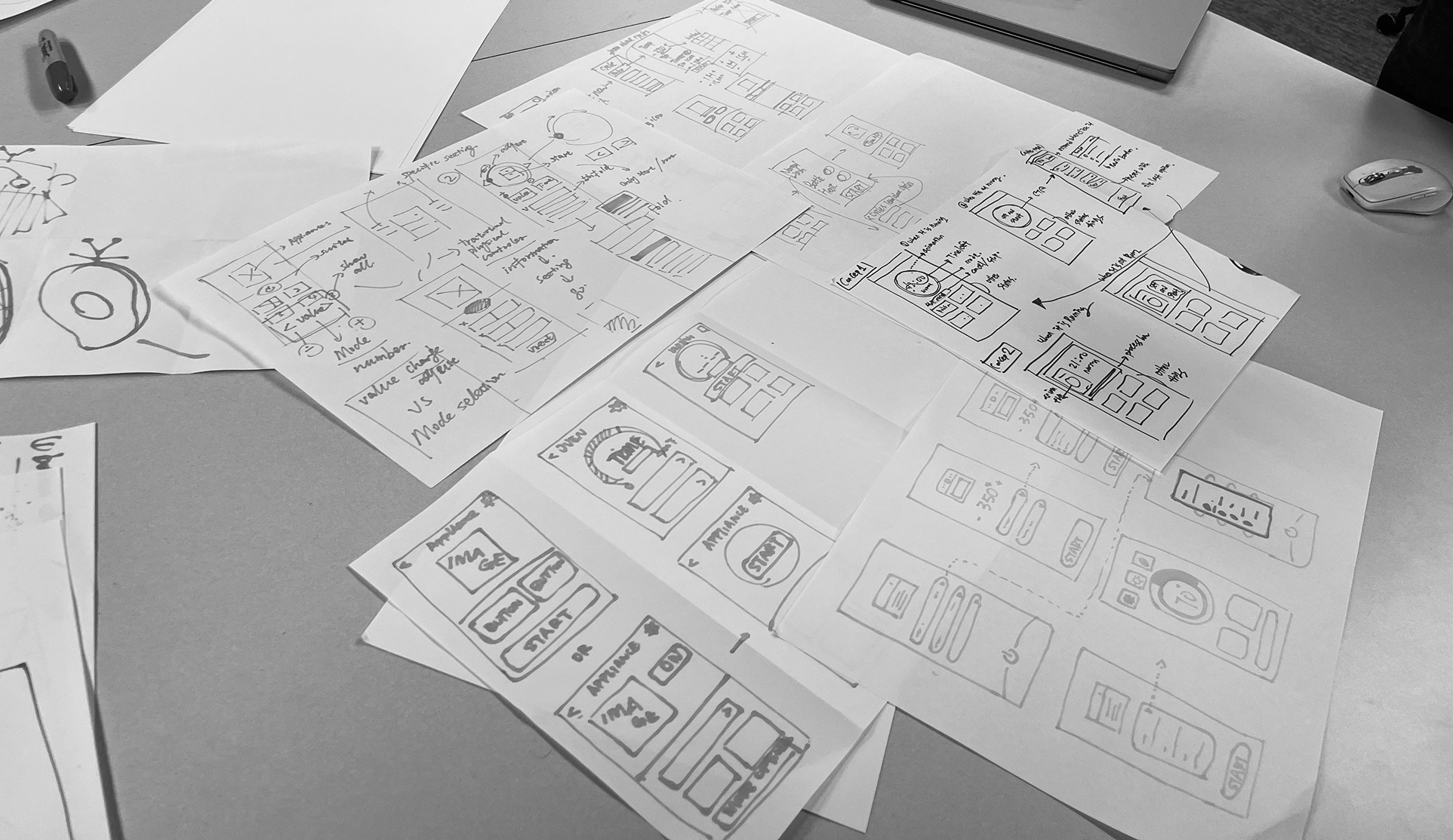
SmartHQ quick wireframe sketches.
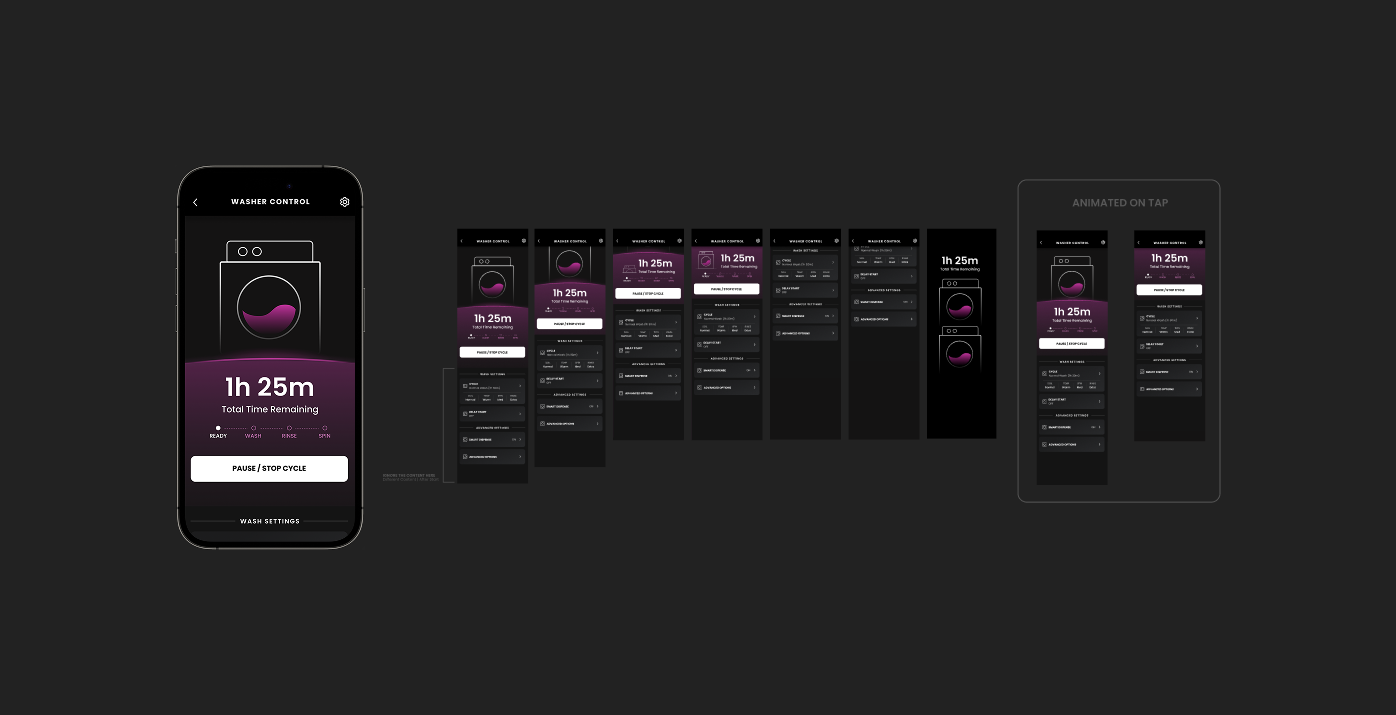
SmartHQ building a new washer control interface using the SmartHQ 2.0 design system.
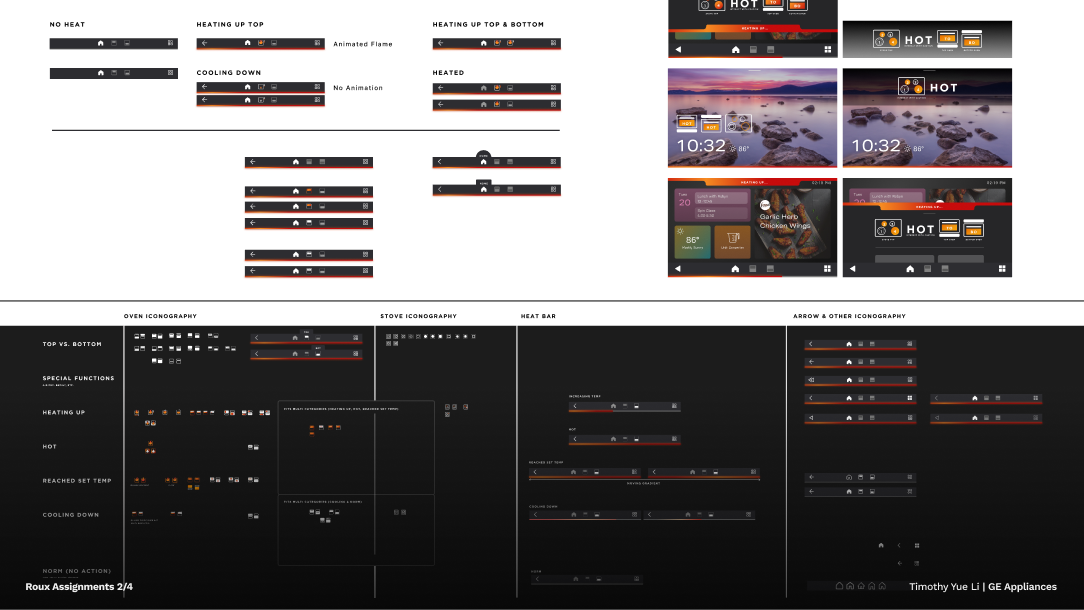
ROUX oven navigation iconography and communication patterns.
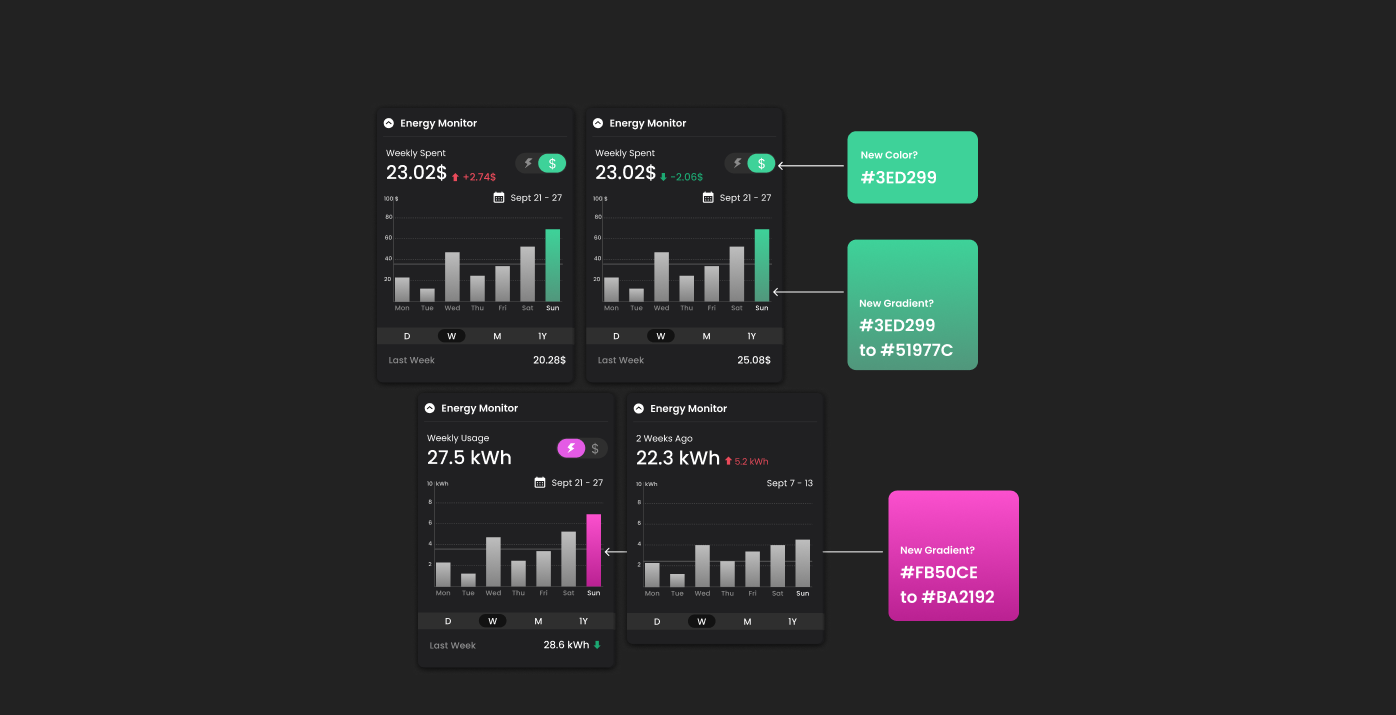
SmartHQ energy card ideations with color annotations.
Roux homescreen weather widget designs with A/B testing.
Supporting Future Growth.

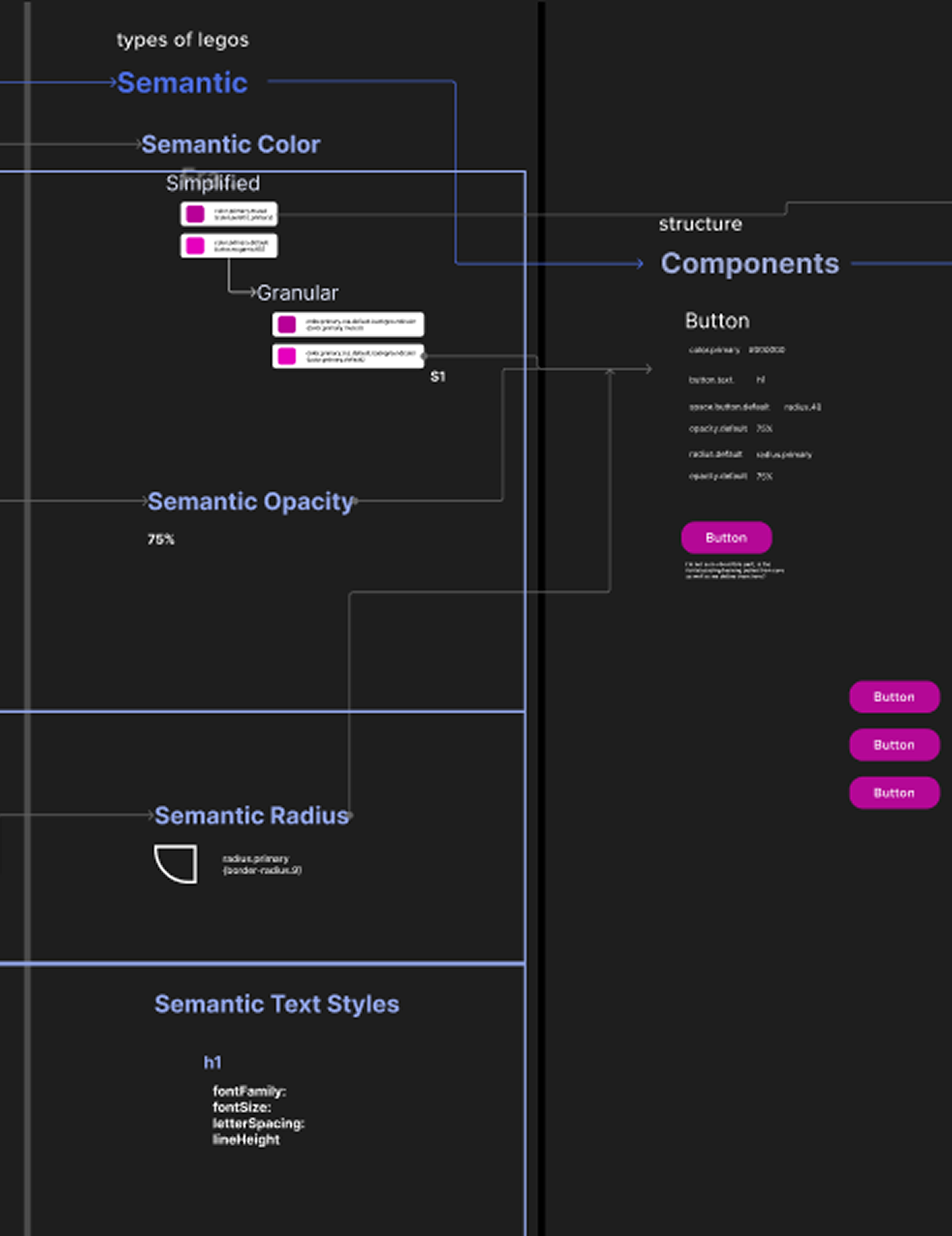
Tokenization research and system documentation were explored to support future brand differentiation without duplicating effort. The system was designed to evolve incrementally as products and requirements changed.

Old screenshot of our semantic studies.
Impact Summary.

This work helped establish a shared foundation for designing and scaling interfaces across SmartHQ and ROUX. By introducing clearer standards, improved accessibility practices, and stronger system-level alignment, the initiative reduced fragmentation risk and enabled teams to move faster with greater consistency.

Business Context.

At GE Appliances’ scale, design systems play a critical role in reducing operational friction. Clear standards improve communication between design and engineering, lower rework costs, and help ensure new products ship with consistent quality.

A scalable system also protects long-term usability as the platform grows, enabling faster prototyping, more reliable NPI integration, and more consistent accessibility across brands and devices.

Scroll Story

©2025 timothy yue li · all rights reserved · timyueli@gmail.com

Last Updated: 2025